
Drains · Plumbing Answers
Why do tree roots keep clogging a sewer line?
Start here.
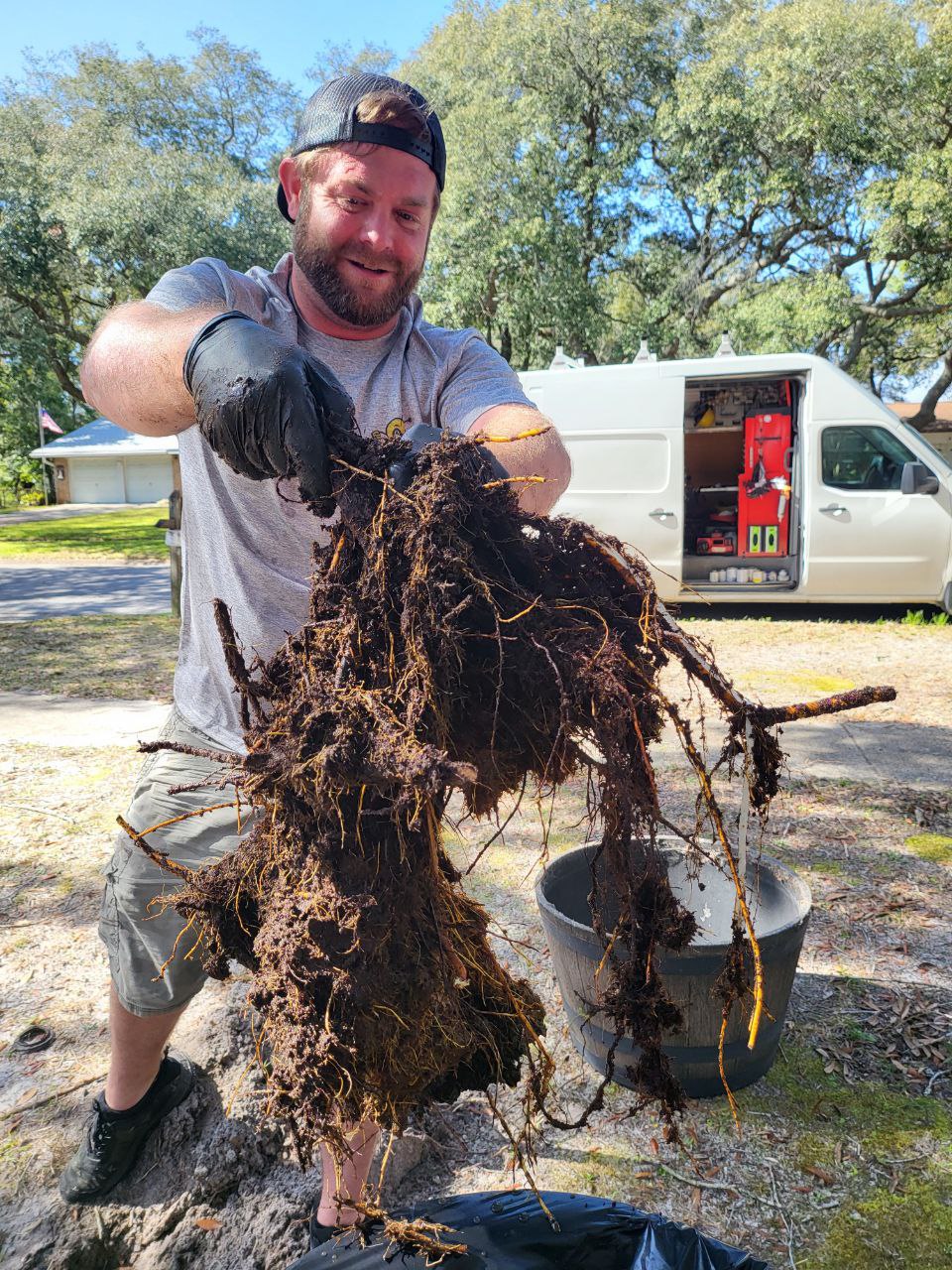
Roots are drawn toward moisture and may enter through an opening or weak point in a buried line. Removing a blockage can restore flow, but recurring problems may require a camera inspection to understand the condition of the pipe.
Why roots enter a sewer line
Roots grow toward sources of moisture and nutrients. If a buried drain line has an opening at a joint, crack or damaged area, fine roots can enter and continue growing inside the pipe. The roots then catch paper and debris, narrowing the path until flow slows or stops.
Healthy roots do not simply break through every sound pipe. A recurring root problem is useful evidence that the condition and connections of the line deserve attention.
Warning signs to watch for
- A main drain slows again after it was recently cleared
- Several fixtures gurgle or drain slowly together
- A toilet or floor drain backs up when another fixture runs
- The same seasonal or recurring pattern keeps returning
Cleaning restores flow; diagnosis explains the repeat
Removing roots and other material may reopen the line. Once conditions allow a useful view, a drain camera can help show accessible sections of the pipe and whether there is an opening, offset, damaged area or buildup associated with the problem.
A camera is a diagnostic tool, not a promise that every concealed portion of the system is visible. The findings, access and repair history all shape the next conversation.
When repair may be discussed
An isolated clog does not automatically mean the sewer line must be replaced. If roots return frequently or the inspection shows a specific defect, a plumber may discuss focused repair, a broader replacement or a monitoring plan. Ask to see the available evidence and understand what part of the line each option addresses.
What matters here at home
Northwest Florida homes sit among mature trees, shifting moisture conditions and many different ages of buried piping. The useful local question is not only whether roots are present, but where they entered and what the accessible line condition shows.
Serving Santa Rosa, Escambia, and Okaloosa Counties.