Signs the buried sewer line may need evaluation
A single clog does not prove that a sewer line is damaged. Concern increases when several fixtures back up together, roots or stoppages return after cleaning, wastewater appears outside, or an inspection identifies a repeatable condition in the same part of the line.
- Main-line backups that affect several fixtures
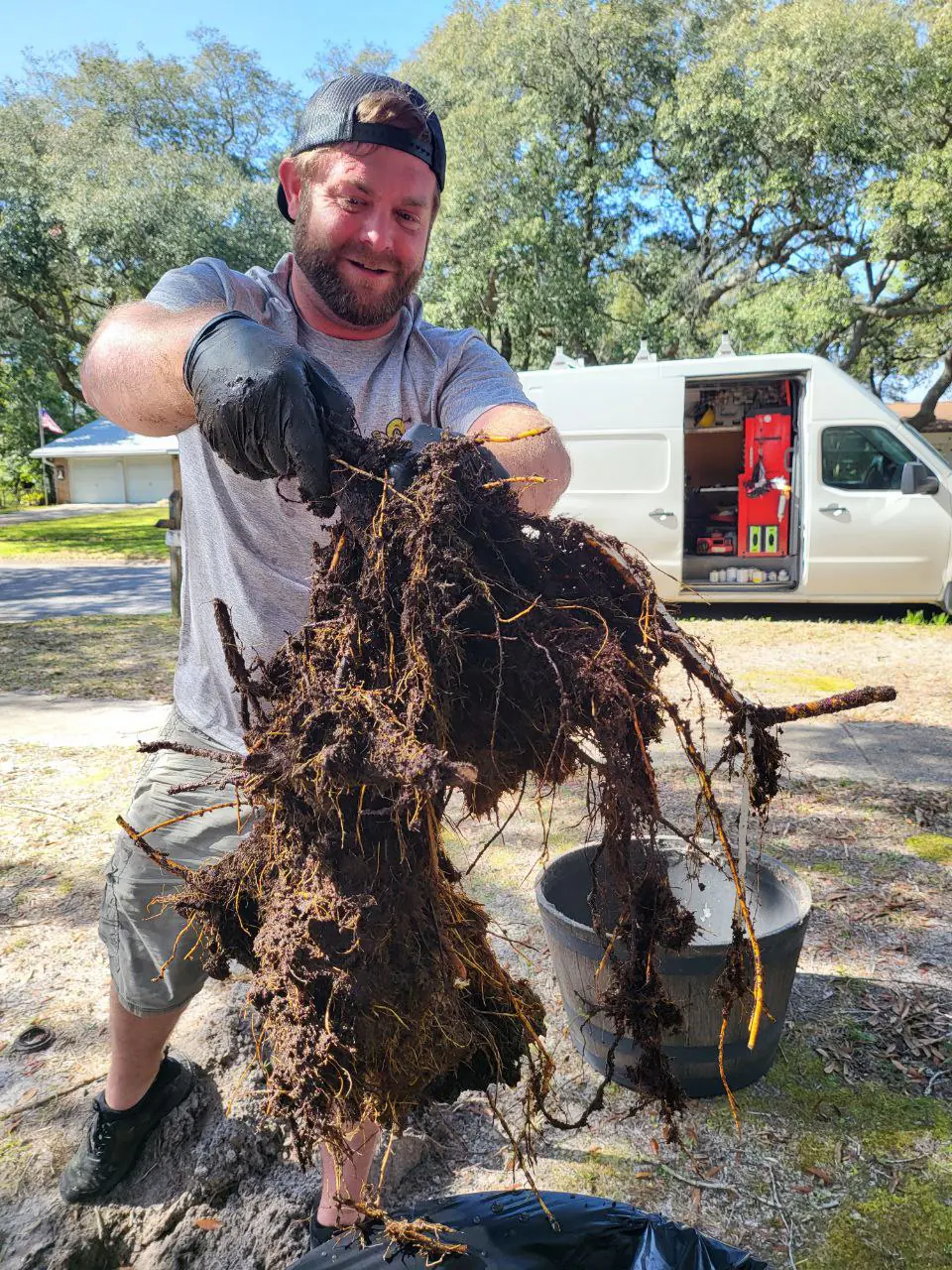
- Roots or blockages that return after prior cleaning
- A low or soft area with wastewater odor along the line route
- Camera evidence of a separated, offset, broken, or deteriorated section
- A known line failure that prevents dependable flow
Diagnosis comes before choosing repair or replacement
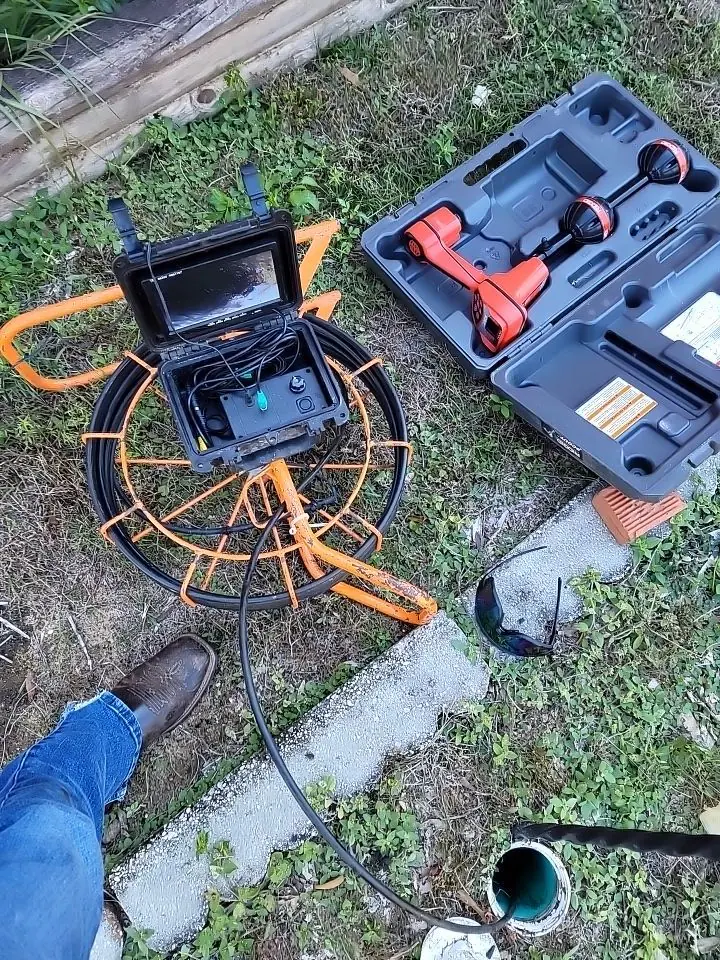
Cleaning may be needed to restore flow and create a view through the line. A sewer camera can then help document accessible conditions and estimate where an observed problem lies. The route, depth, connections, access points, and surrounding surfaces also affect the repair plan.
No camera can guarantee the condition of every concealed section. Honey Bee combines available evidence with the property and repair history before discussing scope.
Focused repair versus broader replacement
A localized defect with practical access may support repair of a defined section. Multiple failures, extensive deterioration, repeated root entry, or a route that no longer provides dependable service may support replacement of a broader portion.
The proposed scope should identify what section is being addressed, how access will be created, and which restoration or site work is included or separate.
What affects the sewer repair plan
- The location and length of the observed defect
- Pipe depth, route, material, and available cleanouts
- Landscaping, pavement, structures, utilities, and safe access
- Connections to the home and the receiving sewer or onsite system
- Permitting, utility locating, and site restoration requirements
Sewer line help across Northwest Florida
Honey Bee Plumbing serves Santa Rosa, Escambia, and Okaloosa Counties. Mature trees, varied soil conditions, different pipe ages, and long rural line routes make property-specific evidence more useful than a one-size-fits-all recommendation.