Signs a drain problem may extend beyond one fixture
One slow sink may involve a nearby trap or branch drain. Several fixtures slowing together, a toilet that bubbles when another fixture drains, wastewater rising in a tub, or a clog that returns after prior cleaning can point farther along the system.
Tell us which fixtures are affected, what happens when water is used elsewhere, and what cleaning or repair has already been attempted. That symptom pattern helps determine a sensible starting point.
- Several fixtures drain slowly at the same time
- A toilet, tub, or floor drain backs up when another fixture runs
- The same clog returns after it was cleared
- Gurgling, sewer odor, or wastewater appears where it should not
Drain cleaning and camera inspection do different jobs
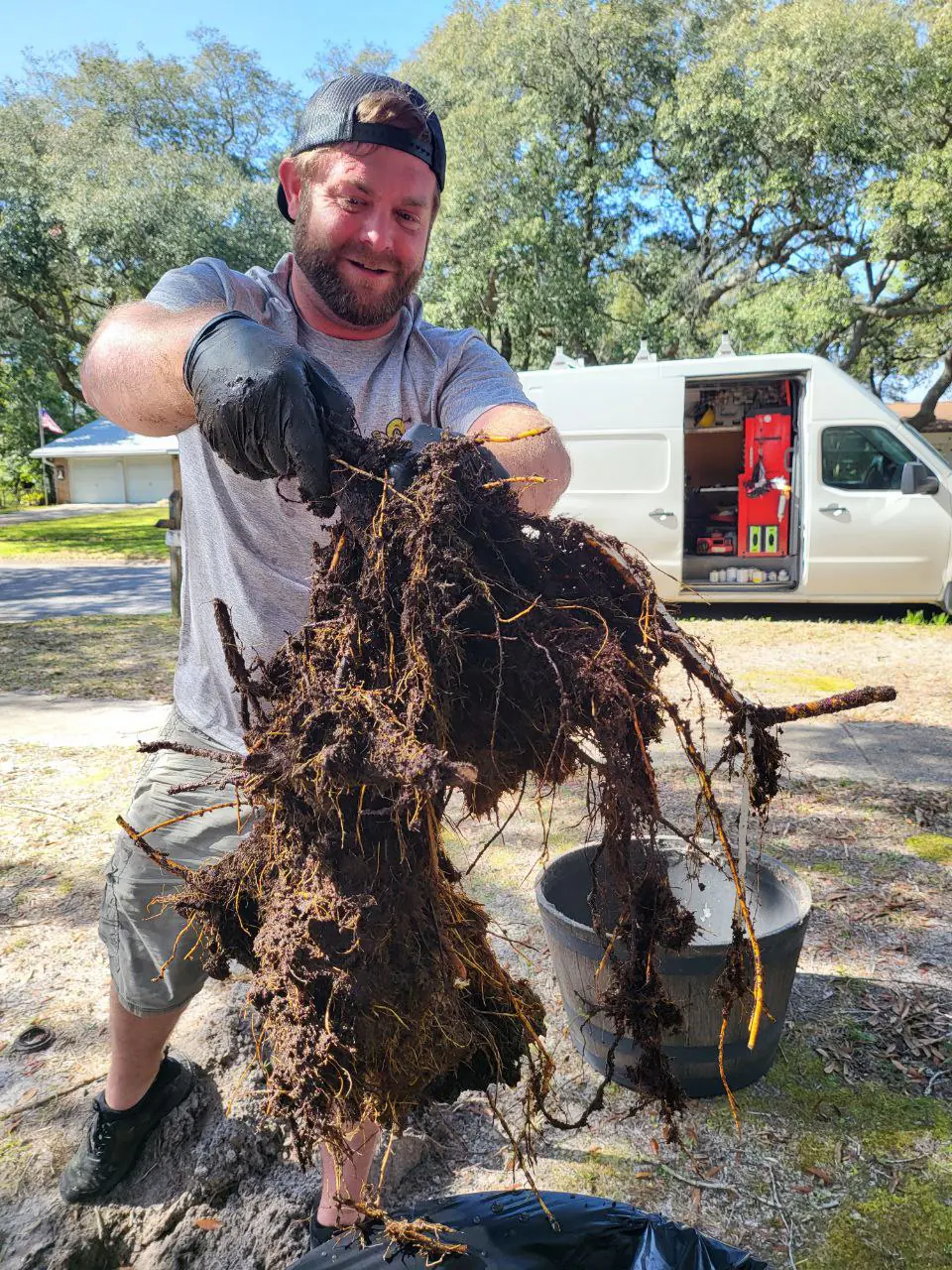
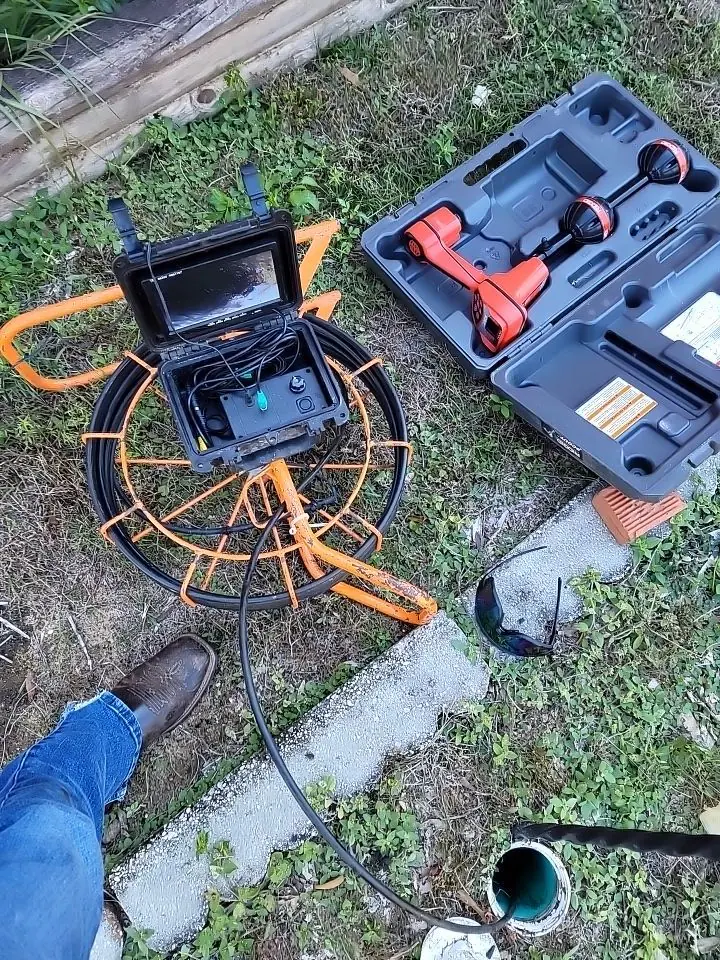
Drain cleaning is used to open or remove a restriction so wastewater can move through the line. A sewer camera provides a view of accessible pipe surfaces and may help identify roots, buildup, an offset connection, damage, or another condition associated with a recurring problem.
A blocked line may need enough flow restored before a camera can provide a useful view. An isolated fixture clog may not need a camera at all. Honey Bee explains why each step is being recommended before additional work moves forward.
What a sewer camera can and cannot confirm
A camera can document conditions visible from the available access point and help locate an observed problem. Standing water, sharp turns, heavy buildup, collapsed pipe, and inaccessible sections can limit the inspection.
Camera findings should be considered with the symptoms, repair history, pipe access, and site conditions. An inspection is useful evidence, not a guarantee about every concealed part of the drain system.
When cleaning leads to a sewer repair conversation
Clearing a blockage may restore service without requiring pipe replacement. When roots or stoppages keep returning, or the camera shows a specific defect, the next discussion may involve monitoring, a focused sewer line repair, or replacement of a broader section.
Honey Bee Plumbing separates the immediate need to restore flow from the longer-term decision about the condition of the buried line.
Drain and camera service across Northwest Florida
Honey Bee Plumbing serves Santa Rosa, Escambia, and Okaloosa Counties, including Milton, Pace, Navarre, Pensacola, Cantonment, Molino, Beulah, Century, Crestview, and surrounding communities. Scheduling and the available approach depend on the property, access, and current conditions.